


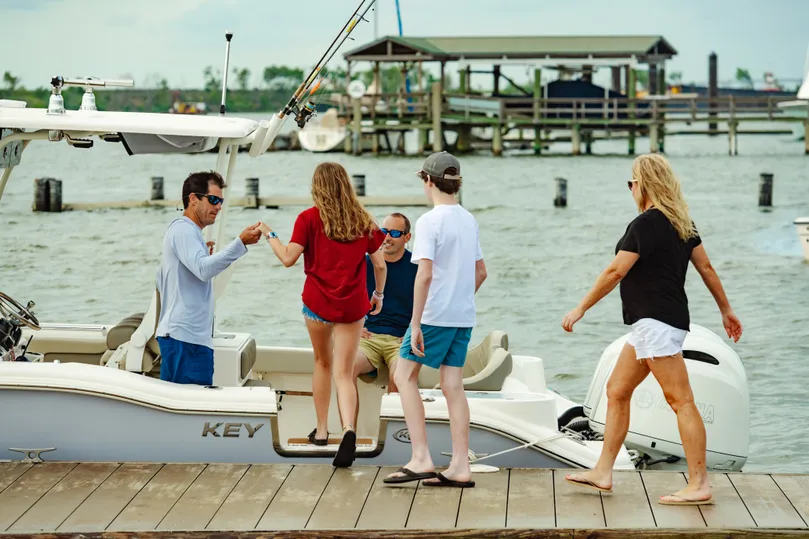
Stepping onto your boat in Naples and setting your course out into the beautiful water fields of Southwest Florida is the ultimate milestone for a first-time owner. Whether you are planning to cruise down the bustling weekend traffic of the Gordon River, drop anchor at the popular shallow sandbars around Keewaydin Island, or plot a scenic run out into the open Gulf of Mexico through Gordon Pass, owning a boat opens up a whole new world of freedom. However, transitioning from a passenger to the captain brings a unique set of structural responsibilities.
From mastering tight quarters handling to keeping up with preventative mechanical checks, establishing smart habits early ensures your first season on the Paradise Coast is defined by relaxation rather than unnecessary stress.
1. Secure Comprehensive, High-Purity Marine Insurance
One of the most critical steps before your hull ever touches a local boat ramp is establishing a dedicated marine insurance framework calibrated to the regional environment.
- Look Beyond Auto Basics: Do not make the mistake of assuming a marine policy mirrors standard auto coverage. True marine insurance should include specific fuel-spill liability protections to safeguard you against environmental clean-up claims if an asset takes on water.
- Check Your Trailer Coverage: Verify that your policy covers comprehensive trailer roadside assistance and specialized physical damage allocations if a breakdown occurs while trailering down the highway.
2. Audit Your Tow Vehicle and Towing Dynamics
If you plan to store your vessel on a trailer and explore different regional launch points, matching your truck's physical capabilities to your load is essential.
- Know Your True Weight Ratings: Always cross-reference your vehicle's maximum tow capacity and Gross Combined Vehicle Rating (GCVR). Remember that the dead weight of a dry hull listed on a factory brochure does not include a full tank of fuel, fresh water tanks, heavy coolers, anchors, and your family's gear.
- Practice Maneuvering Early: Before heading to a crowded weekend ramp, spend an hour backing your trailer through an empty parking lot to get comfortable with the tracking logic and turning radiuses.
3. Standardize Your Boat Ramp Etiquette
The public launch ramp is a high-visibility, high-volume staging zone where preparation prevents bottlenecks and friction with fellow boaters.
- Load Gear in the Staging Area: Never back down the ramp lane only to start carrying coolers, life jackets, and gear bags onto the deck. Complete your entire pre-departure checklist in the parking lot staging slips.
- Move Quickly and Safely: Once your hull is loose and floating, immediately track to the far end of the courtesy dock to keep the launch lane clear while your tow vehicle is being parked.
4. Build a Dedicated Pre-Departure Checklist
Many common on-water breakdowns don't stem from major mechanical failures—they happen because a simple variable was overlooked before leaving the slip.
- Perform Five-Minute Checks: Before turning the ignition key, verify your fuel levels, check battery charge readouts, confirm the bilge pumps cycle automatically, and ensure your drain plug is securely installed.
- File a Simple Float Plan: Always text a family member or friend ashore to let them know where you are heading and exactly when you expect to return, ensuring shore support knows where to look if communication cuts out.
5. Stock a Compliant Life-Safety Inventory
Staying safe on the water column means keeping your Coast Guard-mandated safety gear fully organized, updated, and instantly accessible to your crew.
- Properly Fitted Life Vests: You must carry a properly sized, Coast Guard-approved life jacket for every single passenger on board. Keep them out of sealed plastic bags so they can be grabbed in a split second.
- Complete Safety Arrays: Verify you have a functional Type IV throwable cushion, working visual distress flares, a fully charged fire extinguisher, a sound-producing horn or whistle, and a waterproof toolbox stocked with basic hand tools.
6. Hone Your Handling Skills Off-Peak
Operating a boat is entirely different from driving a car—there are no brakes, and your hull is continuously subjected to shifting wind vectors and moving current lines.
- Practice When It's Quiet: Take advantage of calm weekday mornings or quiet evenings to practice slow-speed maneuvering, reversing, and docking lines when there are no crowds watching.
- Slow is Smooth: When approaching a fixed slip or dock, travel no faster than the speed at which you would be willing to bump into the structure. Use small, controlled shifts into neutral to let momentum do the work.
Frequently Asked Questions
What is the legal speed restriction for operating a watercraft after dark in Florida waters? Unlike jurisdictions with blanket numeric nighttime speed caps, Florida maritime law mandates that all vessels maintain a "safe speed" at night based on prevailing visibility, weather, and traffic conditions. However, operators must strictly adhere to localized, posted "Slow Speed, Minimum Wake" restrictions, which legally require the hull to ride fully off plane and completely settled in the water column with a minimal wake profile.
Why is running the engine bilge blower mandatory before launching or starting an inboard vessel? Gasoline fuel vapors are heavier than atmospheric air and naturally accumulate in the lowest quadrants of a sealed engine bay or bilge compartment. Safety regulations dictate that power-operated exhaust blowers must be activated for a minimum of four continuous minutes prior to starting an inboard or sterndrive engine. This process evacuates any trapped combustible vapors, preventing a catastrophic static-spark explosion inside the hull machinery space.
Sourcing Authorized Marine Assets & Technical Upkeep
Safeguarding your vessel through variable seasonal conditions requires outfitting your platform with components and mechanical structures calibrated to exact manufacturer tolerances.
- Comprehensive New and Pre-Owned Showrooms: To evaluate rough-water hull geometries, test luxury layouts, or compare the tracking profiles of elite regional brands, explore our complete regional inventories of premium New Boats and strictly certified Used Boats.
- Advanced Transom Repower Operations: If your existing power plant exhibits low-end throttle lag or lacks modern digital networks near the courtesy docks, outfitting your transom through our specialized Repower Mercury or Repower Yamaha hubs installs advanced control systems for absolute handling precision.
- Certified Multi-Point Systems Maintenance and Storage: From testing low-voltage battery capacities under load to replacing raw-water pump impellers or diagnosing hydraulic steering binding, trust our factory-trained technicians at the Naples Boat Mart Service Center department for detailed mechanical checks. To guard your platform from summer weather elements, utilize our secure Marina Storage center. For do-it-yourself maintenance, our Parts Center supplies factory-direct filters and zinc anodes.
Fleet Allocation and Financial Coordination
What structural consumer credit frameworks exist for premium vessel procurement? Our internal Financing office constructs customized consumer portfolios, allowing buyers to seamlessly bundle their high-performance hull selection, reliable outboards, technical navigation electronics, and comprehensive Marine Insurance protections into a single structured loan.
Can I leverage my current boat's equity to transition to a modern rough-water platform? Yes. We facilitate transparent, market-accurate asset evaluations to eliminate personal listing delays. To liquidate your old hull and apply its equity directly toward an upgrade, submit your vessel's technical specifications to our Sell / Trade department.
How do I track upcoming dealer events or connect with Naples Boat Mart? To learn about our trusted multi-generational heritage serving Southwest Florida mariners for decades, visit our About Us page. You can monitor our active schedule of safe-boating seminars, captain safety workshops, and regional boat shows on our Events page, track continuous technical maintenance guides on our Blog section, see verified customer feedback on our Reviews directory, or connect directly with our specialized team members via our Staff index. To review extended service coverages, check our Extended Service Contracts checklist, and find current promotions on our Specials page. Experience these performance traits firsthand and evaluate various configurations across real-world water conditions by connecting directly through our main Contact Us portal.