


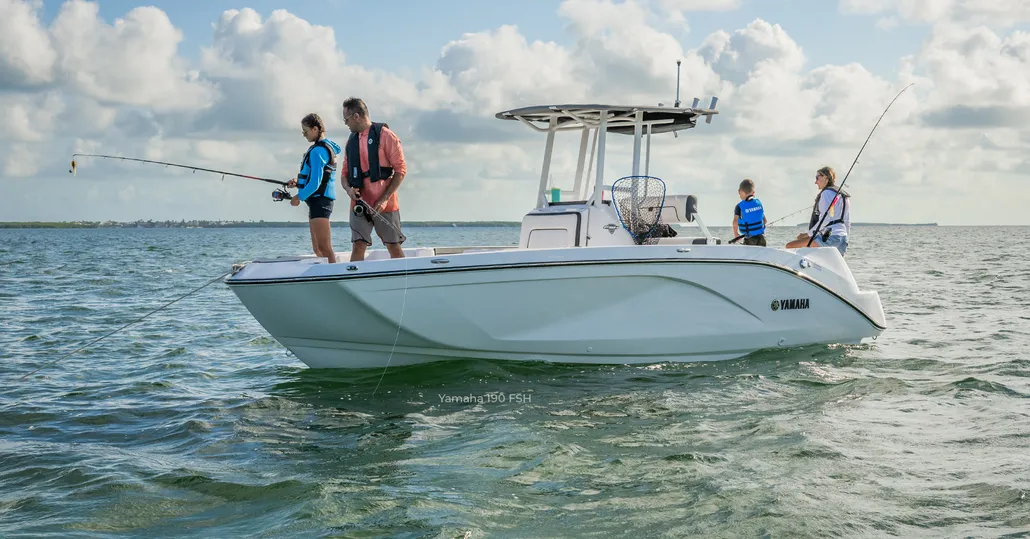
The annual observance of National Fishing and Boating Week highlights the vital importance of natural resource conservation and responsible water stewardship, while celebrating the recreational pastimes of angling and cruising.
For boaters operating out of Southwest Florida, Saturday, June 6, through Sunday, June 14, 2026 offers a strategic window to interface with the unique marine environments surrounding Naples. From tracking game fish across the shallow grass flats of Rookery Bay to running the open, deep-water passes of the Gulf of Mexico, participating in this national event means reinforcing structural safety, practicing sustainable angling, and minimizing your platform's environmental impact.
Implementing disciplined conservation and maintenance strategies allows local mariners to safeguard the delicate coastal habitats of Naples Bay and the Gordon River while maximizing vessel performance and reliability.
1. Engage with Regional Marine Conservation Initiatives
Maintaining a highly productive fishery in Southwest Florida requires active participation in local habitat preservation. Sustainable angling relies entirely on the biological health of the surrounding mangrove networks and seagrass beds.
- Support Local Habitat Projects: Connect with regional conservation organizations to learn about ongoing seagrass restoration or water quality initiatives. Healthy benthic habitats are directly linked to the abundance of local game fish like snook, redfish, and tarpon.
- Contribute to Citizen Science: Documenting your catches and participating in regional fish-tagging programs provides marine biologists with vital data needed to manage fish populations effectively.
2. Complete a Comprehensive Boating Safety Audit
A critical component of celebrating the lifestyle is ensuring your vessel meets or exceeds all legal and operational safety standards before launching into heavy summer weekend traffic.
- Educational Refresher Courses: Utilize this week to review updated navigation rules and regional safety regulations through certified courses provided by organizations like the U.S. Coast Guard Auxiliary.
- Equip New Boaters with Safety Protocols: If you are hosting new passengers or mentoring a junior captain, spend time detailing the location and proper deployment of all onboard safety equipment.
3. Implement Strict Shoreline and Waterway Cleanliness Practices
Marine debris poses an immediate threat to the wildlife and aesthetic value of the Southwest Florida coastlines. Incorporating clean-up efforts into your standard cruising routine sets a responsible example for the entire community.
- Dedicate a Clean-Up Receptacle: Always carry an extra, secure storage container specifically for collecting floating debris, discarded monofilament fishing line, or plastic trash found along the mangrove shorelines and sandbars.
- Lead by Example: Ensuring no loose gear or trash blows out of your cockpit while underway protects marine life from accidental ingestion or entanglement.
4. Practice Technical Catch-and-Release Protocols
Responsible fish handling is a fundamental responsibility for any ethical angler. Employing precise release techniques ensures maximum survival rates for non-retained target species.
- Minimize Air Exposure: Keep game fish in the water as much as possible while removing hooks. For deep-water reef species showing symptoms of barotrauma, utilize specialized descending devices to safely return the fish to their optimal depth.
- Use Circle Hooks: When fishing with live or dead bait, utilize non-offset circle hooks to reduce the likelihood of gut-hooking, ensuring a clean and non-lethal release.
5. Advocate for the Funding of Aquatic Preservation
Understanding the financial mechanisms behind wildlife management helps boaters appreciate how their investments support local ecosystems.
- The Conservation Funnel: Funds generated from state boat registrations and fishing license sales are legally mandated to support state conservation programs, fisheries management, and boating safety education.
- Excise Tax Contributions: Under the Federal Aid in Sport Fish Restoration Act, a dedicated excise tax on fishing equipment and marine fuel directly funds the enhancement, restoration, and public access projects of our nation's waterways.
6. Mitigate the Transfer of Aquatic Invasive Species
Protecting the unique native biodiversity of Southwest Florida requires a strict protocol to prevent the accidental introduction of non-native organisms or destructive vegetation.
- The Clean, Drain, and Dry Method: Before transporting any watercraft between different bodies of water, thoroughly clean all visible mud and organic material from the hull, drain all livewells and bilge compartments, and allow the vessel to dry completely.
- Prevent Biofouling: Regularly inspect and clean your hull’s bottom paint and running gear if your vessel remains moored in saltwater for extended periods.
7. Introduce New Enthusiasts to the Maritime Lifestyle
Sharing your technical knowledge and passion for the water with a newcomer is the most effective way to foster the next generation of environmental stewards.
- Capitalize on Free Fishing Days: Take advantage of state-designated free fishing days, which allow beginners to experience the thrill of a hookup without immediately requiring a recreational license.
- Teach Fundamental Seamanship: Spend time on the water teaching a friend or family member how to tie basic marine knots, interpret navigational buoys, or safely handle a dock line.
8. Prioritize Mechanical Reliability and Performance
An unreliable vessel is a direct threat to passenger safety and can cause preventable environmental damage in sensitive areas like the Rookery Bay National Estuarine Research Reserve.
- Propulsion Upgrades: If your outboard is inefficient or prone to stalling in tight channels, upgrading through our authorized Mercury Repoweror Yamaha Repower programs will outfit your transom with dependable, low-emission propulsion.
- Professional Maintenance: Keep your vessel operating at peak performance by scheduling a multi-point inspection with our certified Servicedepartment, and source factory-direct components from our Parts counter.
- Platform Upgrades: If you require a more stable hull designed with advanced navigation and safety integration, browse our curated selection of New Boatsand inspected Used Boats.
Frequently Asked Questions
How does upgrading my boat help with conservation efforts?
Modern vessels feature fuel-efficient engines that drastically minimize emissions and eliminate oil sheen. Additionally, trading in your current vessel through our Sell / Tradeprogram allows you to transition into a model equipped with advanced GPS charting, reducing the risk of accidentally running aground on protected oyster bars or sensitive seagrass beds.
What dry storage or mooring options exist to safeguard my vessel long-term?
To protect your hull from marine biofouling and reduce structural stress, review our secure configurations under Marina Storage.
Where can I find information on boat financing for tech or safety upgrades?
Our specialized Financing office provides tailored packages that can bundle your vessel, electronics, and safety packages into a single structured plan.
How can I stay involved with Naples Boat Mart throughout the season?
To learn about our role in the Naples community, visit our About page. You can track upcoming customer workshops on our Events page, read continuous technical updates on our Blog, and view verified client feedback on our Reviews page.
To review your coverage parameters, consult our Extended Service Contracts checklist, or check current dealership promotions on our Specials page.